
Flatbed and flat top trailers are two of the most commonly confused trailer types in the transport industry. While they may appear similar at first glance, they serve distinctly different purposes and are engineered for different cargo handling scenarios. Understanding the differences is crucial for choosing the right trailer for your operations.
What Is a Flatbed Trailer?
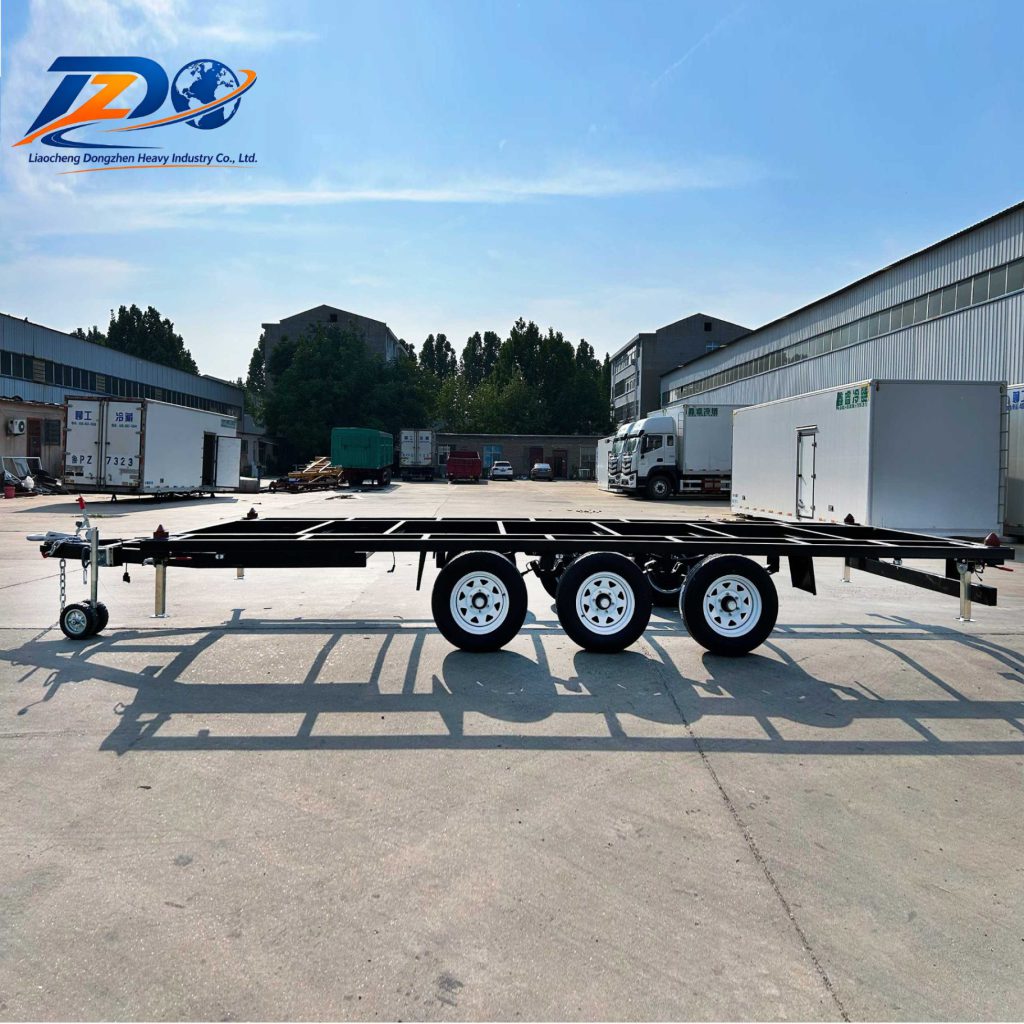
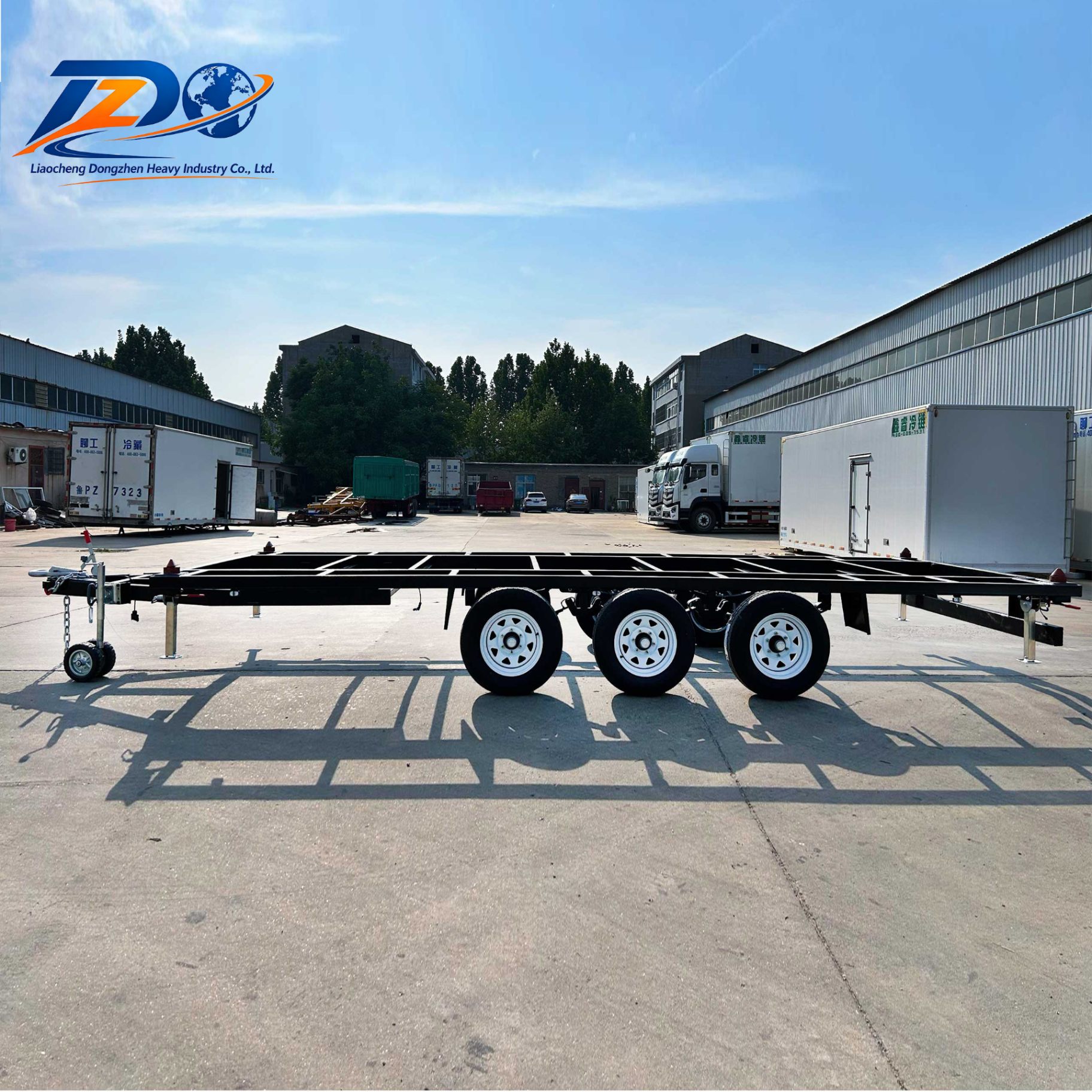
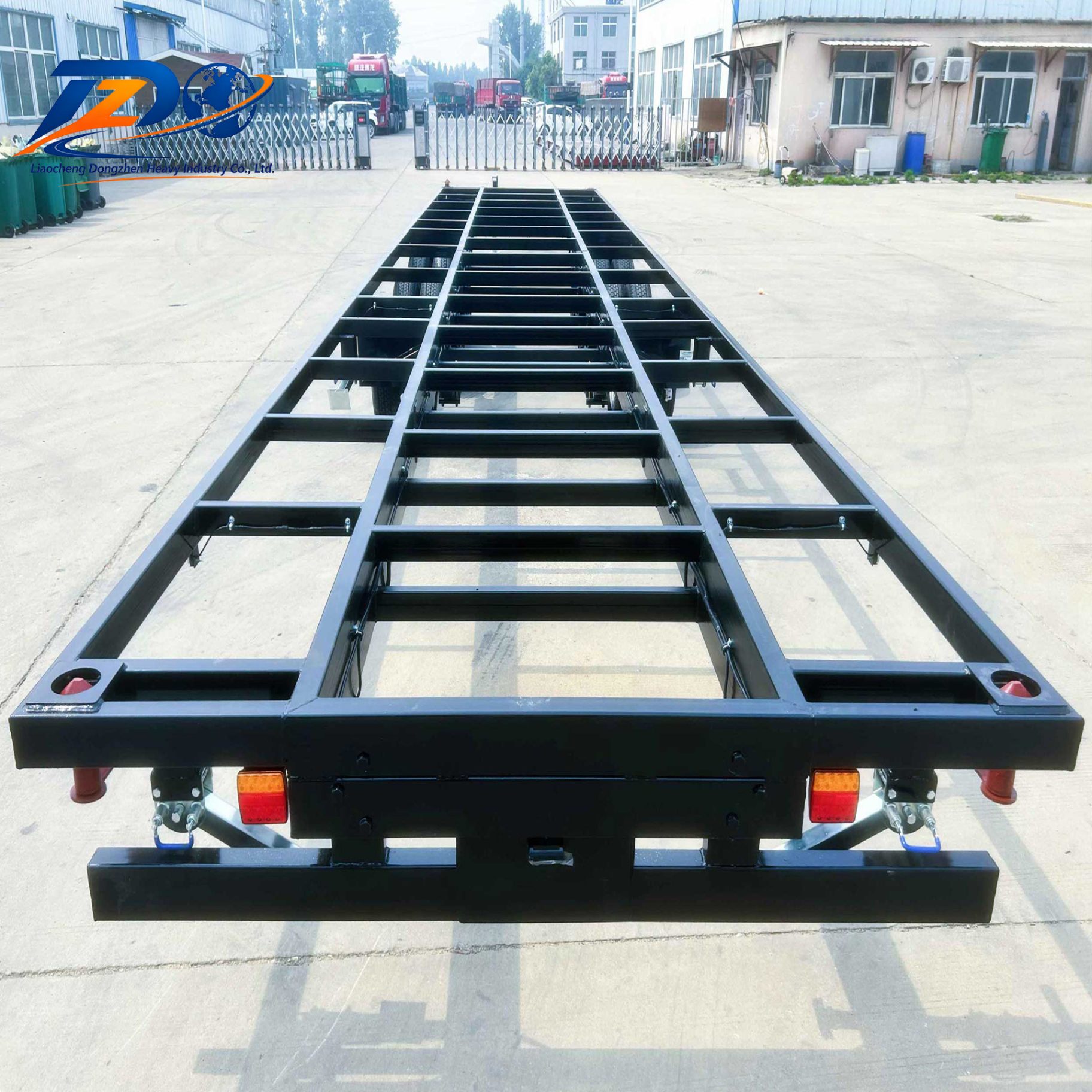
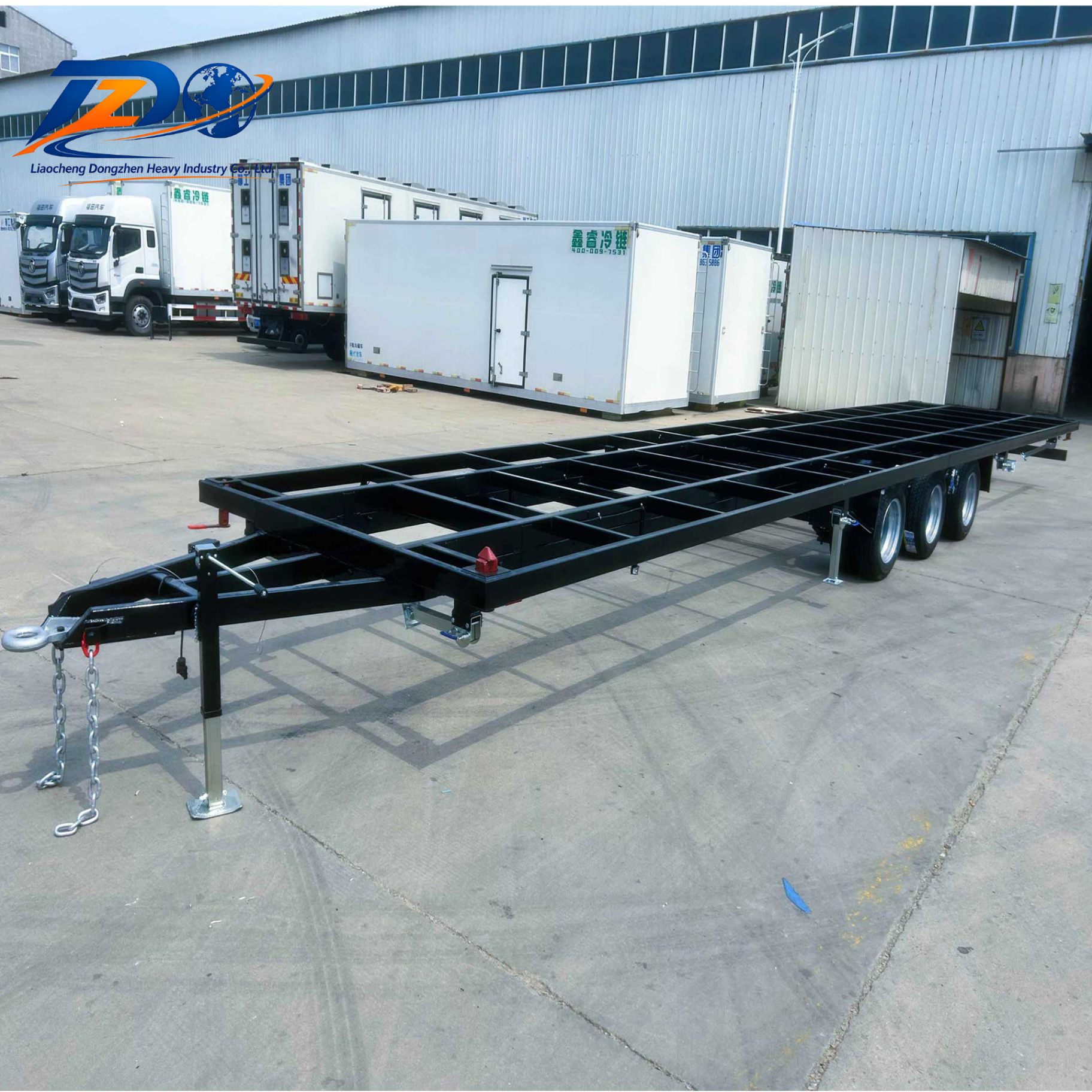
A flatbed trailer is a platform trailer with a flat, open deck and no sides or roof. The deck sits at a standard height above the ground, with stake pockets along the edges that allow for the installation of side rails, stakes, or bulkheads when needed.
Key characteristics:
- Completely open deck with no fixed sides
- Stake pockets for customisable side containment
- Lower deck height for easier loading
- Typically equipped with loading ramps
- Cargo secured with chains, straps, or load binders
What Is a Flat Top Trailer?
A flat top trailer (also known as a flat-top chassis or platform trailer) features a flat deck with fixed headboards at the front and sometimes removable side posts. It is designed primarily for container transport and palletised goods that benefit from a clean, flat surface with minimal containment.
Key characteristics:
- Fixed front headboard for cargo protection
- Clean deck surface optimised for containers
- Twist-lock fittings for container securing
- Higher deck height to accommodate container clearance
- Minimal side containment for maximum loading flexibility
Head-to-Head Comparison
Loading and Unloading
Flatbed trailers excel in loading flexibility. Cargo can be loaded from the sides, rear, or top using forklifts, cranes, or loading ramps. This makes them ideal for irregular-shaped cargo, construction materials, and equipment.
Flat top trailers are optimised for top-loading with cranes or for side-loading containers. The flat, clean deck surface allows containers to be placed directly and secured with twist locks.
Cargo Types
Flatbed trailers are best for:
- Steel pipes, beams, and structural members
- Construction machinery and equipment
- Lumber and building materials
- Large prefabricated components
- Vehicles and mobile equipment
Flat top trailers are best for:
- ISO shipping containers (20ft, 40ft)
- Palletised goods in weatherproof packaging
- Standardised cargo units
- Intermodal freight transport
Cargo Securement
Flatbed trailers rely on chains, straps, and binders threaded through stake pockets and anchor points. This provides maximum flexibility but requires skilled operators to ensure proper load securement in line with the load restraint requirements set out in the Australian Design Rules (ADRs) and Vehicle Standards Bulletin 1 (VSB 1).
Flat top trailers use purpose-built twist locks and container fittings that provide positive locking without the need for straps or chains. This is faster and more secure for containerised cargo.
Deck Height and Dimensions
Flatbed trailers generally have a lower deck height, typically 1,100-1,300mm, which provides better stability for heavy loads and easier loading of tall equipment.
Flat top trailers often have a higher deck, around 1,300-1,500mm, to ensure adequate ground clearance when carrying containers over uneven surfaces.
Versatility
Flatbed trailers are the clear winner in versatility. The ability to add or remove side rails, install bulkheads, and load from any direction makes them adaptable to an almost unlimited range of cargo types.
Flat top trailers are more specialised but offer superior efficiency for their intended cargo. If your business primarily handles containers, a flat top trailer will outperform a flatbed in loading speed and securement reliability.
Which Should You Choose?
Choose a flatbed trailer if:
- Your cargo types vary significantly
- You need to load equipment and machinery
- Side loading is required
- You handle long or oversize items
- Your business serves multiple industries
Choose a flat top trailer if:
- You primarily transport containers
- Cargo is standardised and palletised
- Top loading with cranes is your standard method
- Intermodal transport is your core business
- Fast container securement is a priority
OEM/ODM Customisation at DONGZHEN
At DONGZHEN Heavy Industry, we manufacture both flatbed and flat top trailers with full customisation options:
- Adjustable deck lengths from 6m to 16m+
- Multiple axle configurations (tandem, tri-axle)
- Various suspension types (leaf spring, air ride)
- Custom stake pocket layouts
- Twist lock container fittings
- Hot-dip galvanising option
- Custom paint and branding
Our engineering team works with you to design a trailer that precisely matches your operational requirements, cargo types, and local regulations. In Australia, importers should confirm compliance with the ADRs and the applicable Vehicle Type Approval (VTA) pathway under the Road Vehicle Standards Act 2018 (RVSA).
Conclusion
Both flatbed and flat top trailers have their place in a transport fleet. The right choice depends entirely on your cargo profile, loading methods, and operational requirements. Many transport businesses maintain a mixed fleet to handle diverse cargo types efficiently.
If you’re still unsure which trailer type suits your needs, our experienced sales team at DONGZHEN Heavy Industry can provide expert guidance based on your specific requirements. With over 15 years of manufacturing experience and exports to 100+ countries, we have the expertise to help you make the right choice.