
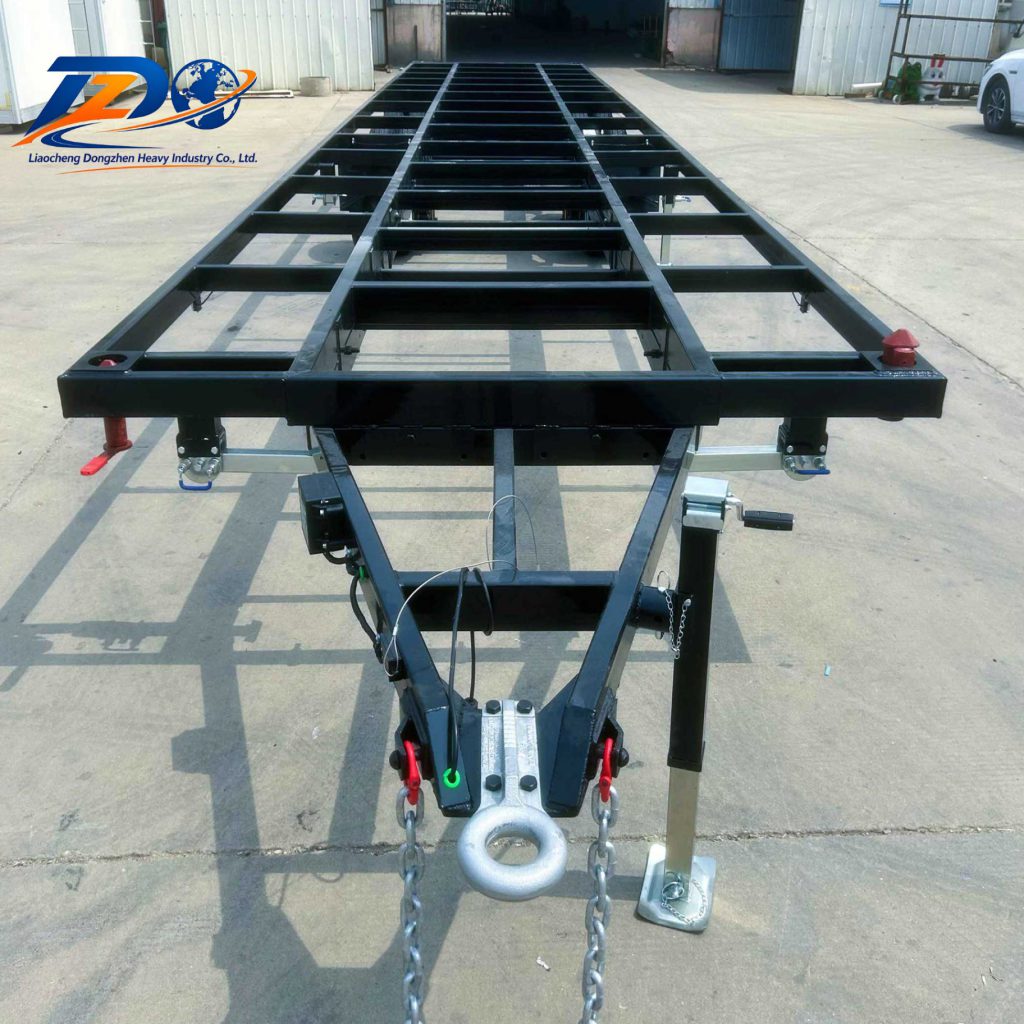
A well-maintained trailer can provide decades of reliable service, while a neglected one can become a safety hazard and a financial burden within just a few years. Regular maintenance is not just about preventing breakdowns — it’s about protecting your investment, ensuring safety, and maximising the return on your trailer purchase. This comprehensive guide covers the essential maintenance practices every trailer owner should follow.
Daily Pre-Trip Inspection
Before every trip, take five minutes to perform a visual and functional check:
- Tyres: Check for proper inflation, visible damage, and adequate tread depth
- Lights: Verify all lights are working — headlights, taillights, brake lights, turn signals
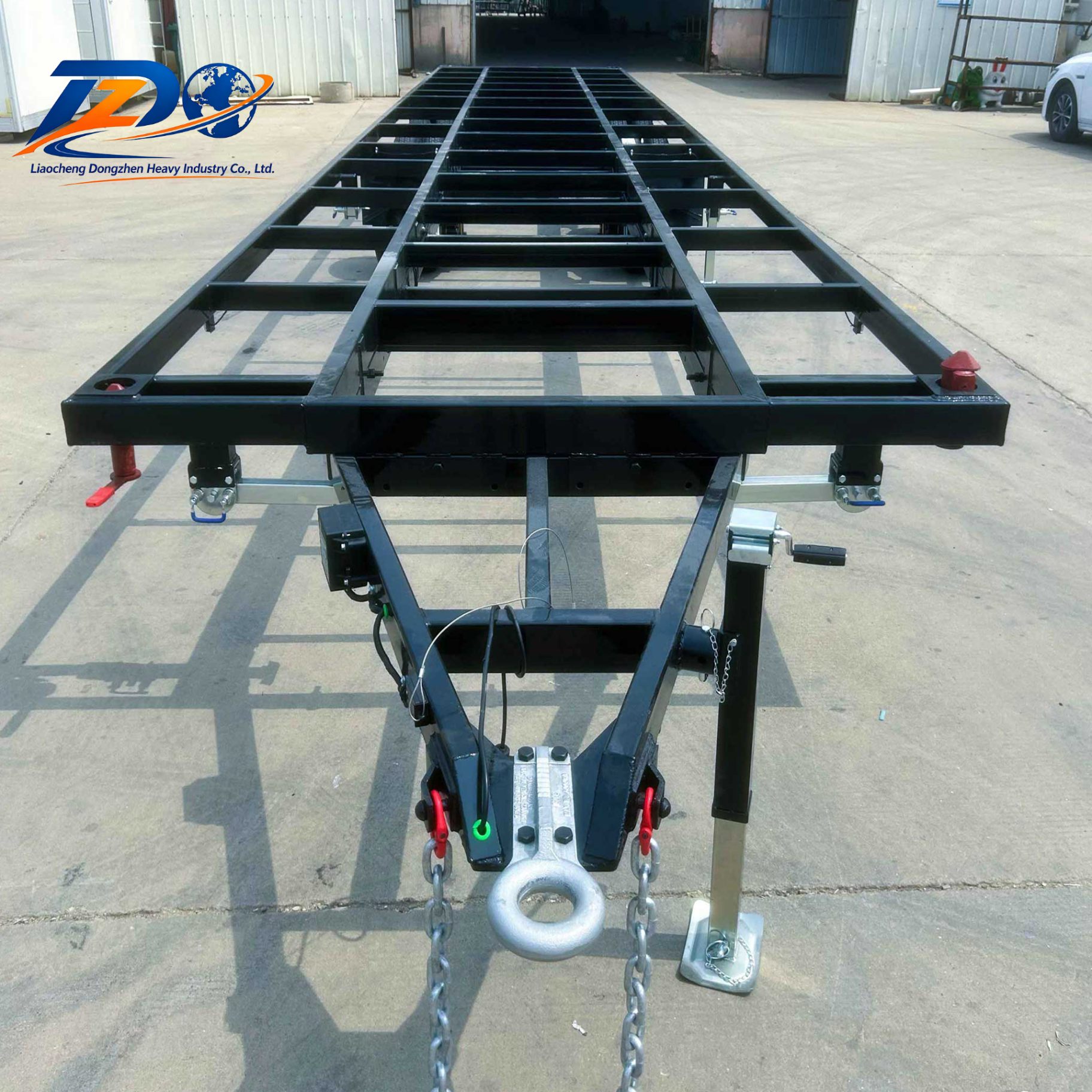
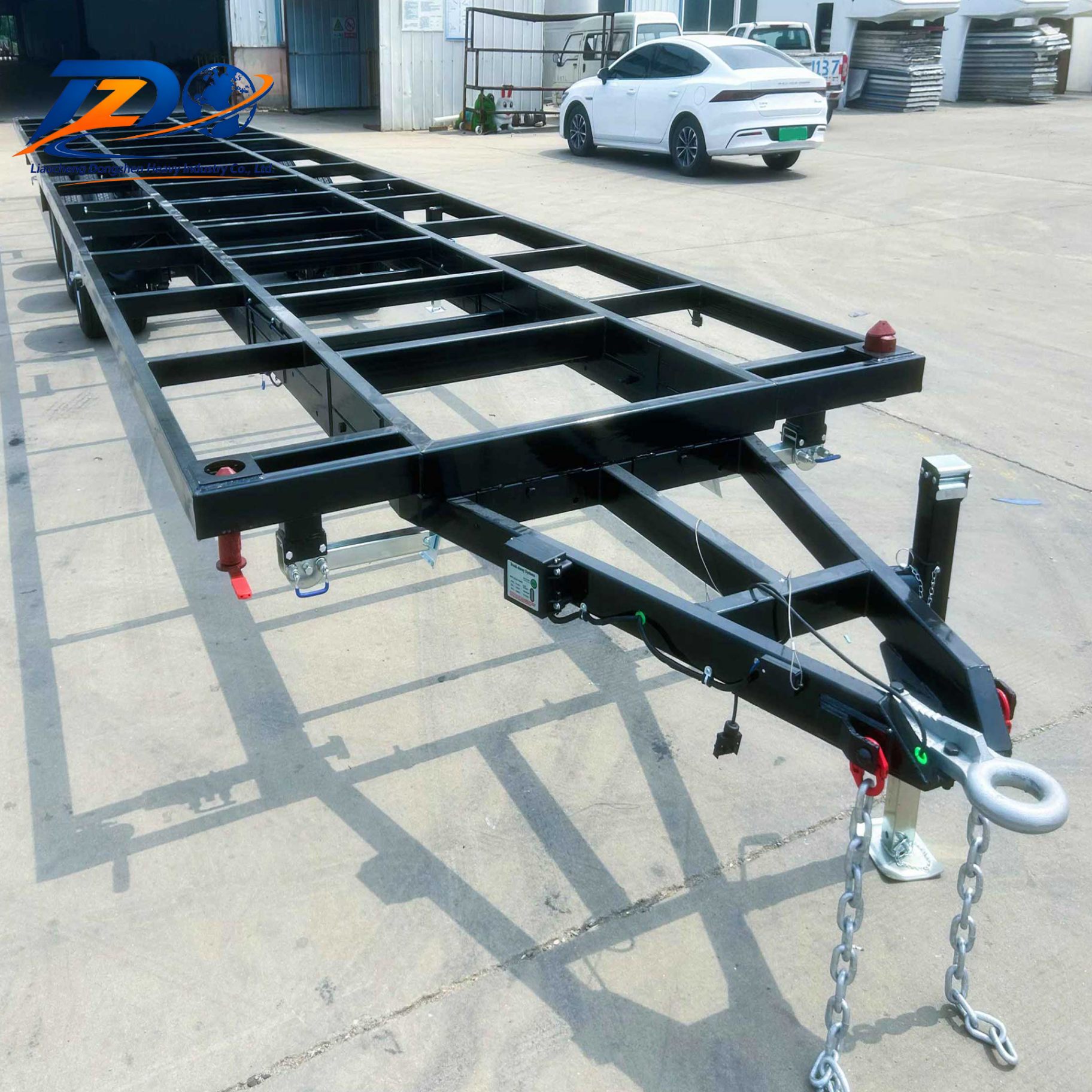
- Hitch: Ensure the coupler is properly secured and the safety chains are connected
- Brake controller: Confirm the breakaway switch is functional
- Load securement: Verify all straps, chains, and binders are tight
- Visual check: Look for any loose components, missing bolts, or visible damage
Weekly Maintenance Tasks
Tyre Care
Tyres are your trailer’s most critical safety component. Each week:
- Check tyre pressure with a calibrated gauge (visual inspection is not sufficient)
- Inspect for uneven wear patterns that indicate alignment or suspension issues
- Look for cuts, bulges, or embedded objects
- Rotate tyres every 10,000 km or as recommended by the manufacturer
- Check wheel nut torque with a torque wrench
Tyre pressure tip: Always check pressure when tyres are cold. Under-inflation is the leading cause of premature tyre failure in trailers.
Wheel Bearing Maintenance
Wheel bearings require regular attention to prevent failure:
- Check for excessive play by jacking up the wheel and rocking it side to side
- Listen for grinding or rumbling noises while driving
- Repack bearings with high-quality marine-grade grease every 12 months or 20,000 km
- Replace bearings and races as a set if any wear is detected
- Use bearing protectors to keep water and contaminants out
Monthly Maintenance Tasks
Brake System Inspection
Your trailer’s braking system needs regular attention:
- Inspect brake pads/shoes for wear — replace when friction material is below 3mm
- Check brake drums/discs for scoring, cracking, or excessive wear
- Test electric brake output with a multimeter at each wheel
- Inspect brake lines and hoses for cracks, leaks, or abrasion
- Lubricate brake actuator components as specified
- Test breakaway switch function by pulling the pin and confirming brakes engage
Suspension Inspection
- Check leaf springs for cracks, especially at the U-bolt area
- Inspect suspension bushings for excessive wear
- Verify U-bolt torque
- Check air bags (if equipped) for leaks and proper ride height
- Lubricate all grease fittings with a quality lithium-based grease
- Inspect equaliser bars and hangers for cracks or excessive wear
Frame and Body Inspection
- Inspect the frame for cracks, especially at weld points and high-stress areas
- Check for loose or missing fasteners
- Look for signs of rust or corrosion — address immediately
- Inspect cross members for damage or deformation
- Check floor boards/decking for rot, cracks, or loose fasteners
- Inspect mud flaps and guards for damage
Quarterly Maintenance Tasks
Hydraulic System (For Tipper Trailers)
- Check hydraulic fluid level and top up if needed
- Inspect hydraulic hoses for cracks, bulges, or leaks
- Test all hydraulic functions through full range of motion
- Check for unusual noises during operation
- Replace hydraulic filter if equipped
- Inspect cylinder seals for signs of leakage
Electrical System
- Inspect wiring harness for chafing, cuts, or exposed conductors
- Check all connections for corrosion — clean with electrical contact cleaner
- Test all lighting functions
- Inspect junction boxes for water ingress
- Check brake controller output and adjustments
- Verify battery charge (if equipped)
Annual Maintenance
Comprehensive Inspection
Once a year, perform a thorough inspection or have it done by a qualified technician:
- Complete wheel bearing service — clean, inspect, repack, or replace
- Brake system overhaul — drums measured, pads/shoes replaced if needed
- Suspension disassembly and inspection of all components
- Frame inspection with particular attention to welds and cross members
- Hydraulic system fluid change and filter replacement
- Complete electrical system diagnostic
Rust Prevention and Treatment
Rust is the enemy of trailer longevity. Annual rust management should include:
- Thorough cleaning of the entire trailer, including undercarriage
- Inspection of all painted surfaces for chips, scratches, and rust spots
- Wire-brush any rust spots down to bare metal
- Apply rust converter to affected areas
- Prime and paint all repaired areas with matching paint
- Apply undercoating to the frame and undercarriage
- For galvanised trailers, inspect the zinc coating and repair any damaged areas
Professional Inspection
Consider having an annual inspection performed by a qualified trailer technician. They can identify issues that may not be apparent to the untrained eye and provide documentation for warranty and insurance purposes.
Seasonal Maintenance Considerations
Winter Preparation
- Use winter-grade grease in all bearings
- Apply corrosion inhibitor to electrical connections
- Consider snow tyre chains for operations in snow
- Protect hydraulic system from freezing with appropriate fluid
- Wash regularly to remove road salt and de-icing chemicals
Summer Preparation
- Check tyre pressure more frequently (heat causes pressure increase)
- Inspect cooling components on braked trailers
- Verify hydraulic fluid is at correct viscosity for high temperatures
- Check paint condition — UV exposure accelerates degradation
Maintenance Log
Keep a detailed maintenance log for each trailer, including:
- Date and mileage/hours of each service
- Parts replaced
- Issues identified and resolved
- Technician name (if applicable)
- Next service due date
A well-maintained log helps you track patterns, plan maintenance budgets, and provides documentation that enhances resale value.
Conclusion
Consistent, thorough maintenance is the key to maximising your trailer’s lifespan and protecting your investment. By following this maintenance schedule, you can expect years of reliable service from your DONGZHEN trailer. Our trailers are built to last — with proper care, they will serve your business for decades.
For spare parts, technical support, or maintenance guidance, contact the DONGZHEN Heavy Industry support team. We’re committed to keeping your trailers on the road and your business moving forward.